Why Does Sauce Separate After Reheating? How to Fix It
Learn why reheated sauce turns oily, watery, or grainy, which gentle fixes can bring it back together, and when food safety means you should discard it.
A recent Kansas State University Extension update published April 3, 2026, makes the most useful point for home bakers: choose an egg replacement for the job the egg performs in that particular recipe. A moist muffin, chewy cookie, airy sponge cake, and crisp meringue depend on eggs in different ways, so one substitute will not give the same result in all four.
For many everyday recipes, a practical starting measure is about 1/4 cup of substitute per large egg. That replaces roughly the egg’s volume, not all of its behavior. Eggs can bind ingredients, add moisture and fat, help a batter rise, trap air when whipped, and set into structure as they bake. A substitute may cover one or two of those jobs while changing flavor, color, tenderness, or height.
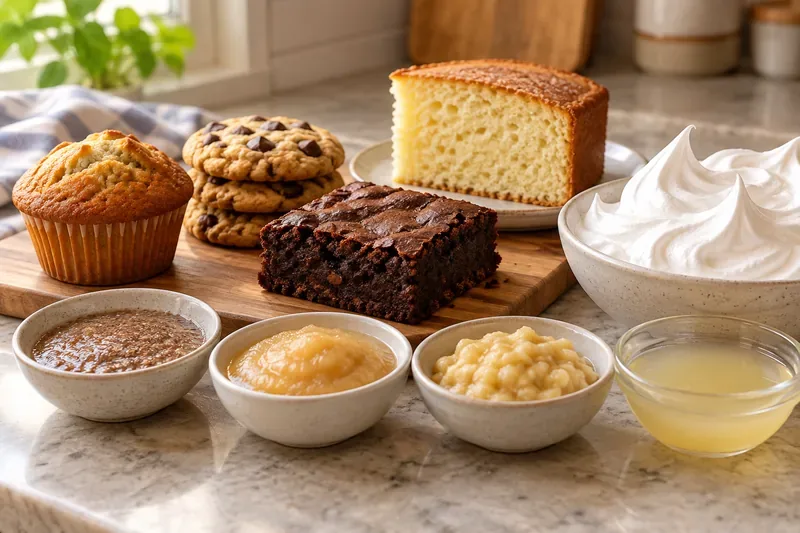
| Recipe type | Good starting substitute per egg | What to expect |
|---|---|---|
| Muffins, quick breads, pancakes | 1/4 cup applesauce, mashed ripe banana, plain yogurt, or blended silken tofu | Adds moisture and helps hold a soft crumb. Banana has a noticeable flavor; purées and tofu can make the result denser than an egg-based version. |
| Cookies and bars | 1 tablespoon ground flaxseed or chia plus 3 tablespoons water; rest until gelled | Good binding for many sturdy doughs. Expect a heartier texture and visible seeds. If the recipe relies on the egg for lift, add a leavener only when the recipe or a tested source supports it. |
| Brownies | Flax gel, applesauce, yogurt, or blended silken tofu | Often works well when a dense, fudgy texture is welcome. Purée can soften the center; flax gives more hold but may make the crumb less smooth. |
| Everyday cakes and cupcakes | A commercial egg replacer made for baking, or a recipe-tested combination such as applesauce or tofu | These need enough moisture and structure to rise and stay tender. A simple purée swap may make the crumb heavy or damp, especially when replacing several eggs. |
| Sponge cakes, angel food cakes, and meringues | Aquafaba (chickpea cooking liquid) can replace some egg-white foaming functions in recipes developed for it | It can whip into foam, but results vary by product and formula. It may be less springy or cohesive than egg white; it is not an automatic one-for-one replacement in every high-volume cake. |
| Custards, cheesecakes, soufflés, and egg-forward bakes | Use a recipe specifically developed without eggs | Eggs provide much of the set, lift, or characteristic texture. A generic swap can leave the center loose, rubbery, or collapsed. |
| Enriched yeast breads, such as brioche or challah | Use a tested egg-free bread formula; plant milk or oil may replace some moisture or richness | Eggs affect softness, color, and dough handling. Replacing them one by one may change the crumb and browning; the dough formula may need broader adjustment. |
For one “flax egg,” stir 1 tablespoon ground flaxseed with 3 tablespoons water and let it sit about 5 minutes, until thickened. Ground chia can be used in the same proportion. The gel helps bind a cookie or muffin batter, but does not trap air like whipped egg whites. It can leave small flecks and a slightly hearty texture, so it is easier to hide in chocolate, whole-grain, or strongly flavored bakes.
Use about 1/4 cup per egg when a recipe mainly needs moisture. Unsweetened applesauce has a mild flavor; ripe banana tastes sweeter and more distinct. Pumpkin, mashed beans, or avocado can also add moisture in some recipes, but may alter color or taste. Purées do not provide the same lift or setting ability as eggs, and adding them to already-moist batter can make the center heavy or gummy. Reduce other liquid only when a tested recipe calls for it.
Plain yogurt contributes moisture and tenderness, with some acidity. It is useful in muffins, pancakes, or dense cakes, but it will not whip into a foam. Blended silken tofu is relatively neutral and smooth; it can add body to brownies and denser cakes. Measure after blending and expect a more compact crumb than a recipe built around several eggs.
Aquafaba is the liquid from cooked or canned chickpeas. It is most useful when the recipe needs a whipped foam, as in a meringue-style preparation or a recipe designed around aquafaba. Its thickness and foaming behavior vary between cans and batches. Food-science research found aquafaba sponge cakes with similar color and texture to egg-white versions in one study, but the aquafaba cakes were less springy and cohesive. Treat that as evidence of potential, not a guarantee for every cake formula.
Packaged replacers are convenient when you want a neutral flavor and a measured product. Follow the package directions because some are formulated mainly for binding while others are intended for cakes or broader baking use. A replacer labeled for baking can be a sensible first choice for a standard cake; it still may not reproduce egg foaming or the set of a custard.
Be cautious when eggs make up a large share of the recipe, when the instructions whip eggs or whites to a ribbon or stiff peak, or when eggs are the main setting ingredient. Angel food cake, soufflé, meringue, custard, and some sponge cakes depend on a network formed by whipped or heated egg proteins. A gel or fruit purée does not behave the same way. If the recipe calls for three or more eggs, changing all of them with a single pantry substitute is especially likely to alter height and texture.
For a first attempt, choose a recipe whose structure is already supported by flour and baking powder, such as muffins or brownies. Replace one egg at a time, keep the oven temperature and pan size unchanged, and note whether the result is too dry, too wet, crumbly, dense, or pale. That gives you a useful signal for the next batch; it does not mean the same ratio will work in a different recipe.
The best egg substitute depends on whether your recipe needs binding, moisture, lift, foam, or a firm set. Flax and chia are dependable binders; applesauce and banana add moisture; yogurt and tofu contribute moisture and body; aquafaba can create foam; and a baking-specific commercial replacer offers convenience. Each comes with a texture or flavor trade-off. Match the ingredient to the recipe, and use a tested egg-free formula whenever eggs are doing the main structural work.
For practical substitution amounts and recipe categories, see University of Illinois Extension’s egg-substitute guide, University of Maine Cooperative Extension’s comparison in yellow cake, and Kansas State University Extension’s April 2026 guidance. For aquafaba in sponge cake, consult the food-science study published in the International Journal of Food Science & Technology. These sources support general starting points; performance still depends on the exact recipe and product.
Learn why reheated sauce turns oily, watery, or grainy, which gentle fixes can bring it back together, and when food safety means you should discard it.
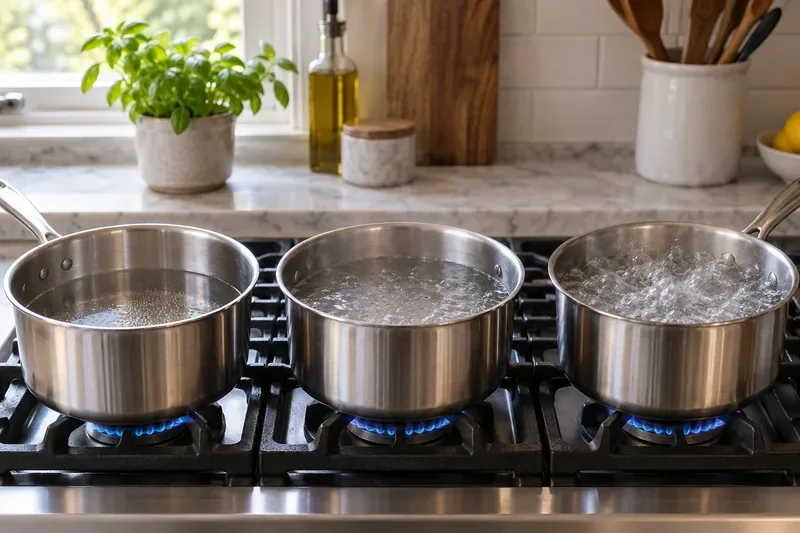
Learn how poaching, simmering, and boiling differ by bubbling, heat, texture, and best use—plus when to check food temperature for safety.
Find egg substitutes for muffins, cookies, brownies, cakes, meringues, and more. Compare flax, fruit purée, yogurt, tofu, aquafaba, and baking replacers.
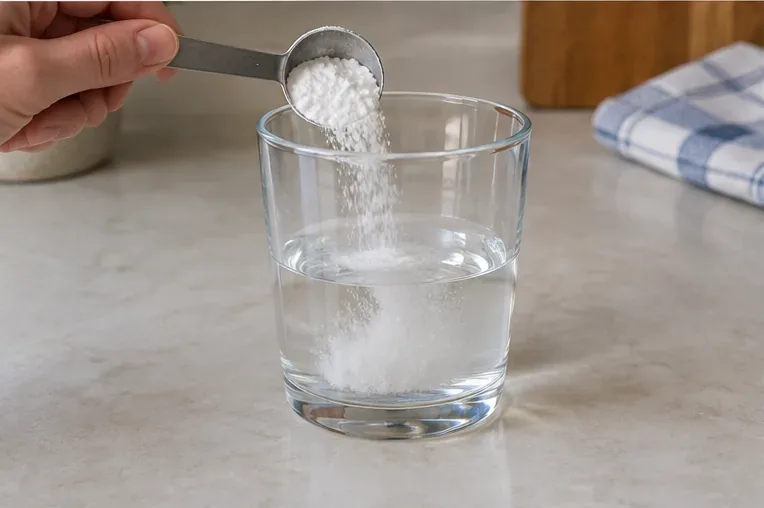
Test baking powder in minutes with warm water, learn what vigorous bubbling means, why powder loses strength, and when replacing it is the better choice.
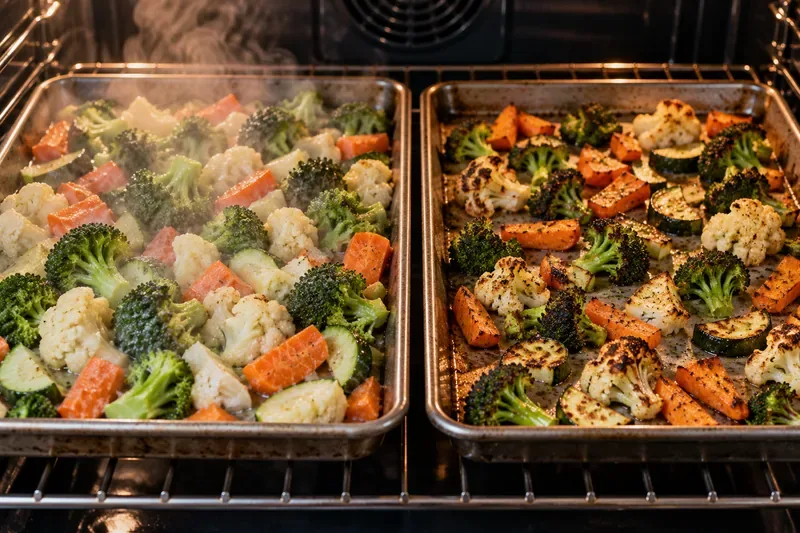
Learn why roasted vegetables turn soft and steamy instead of deeply browned, how to correct moisture, crowding, heat, and airflow, and how to judge the result.
Plan autumn school lunches with a hypothetical family example, flexible prep choices, storage timing, and safe ways to keep perishable food cold.
Plan an October kids’ party with a practical food allergy checklist for caregiver communication, labels, Halloween candy, cross-contact, and emergency readiness.