Why Does Sauce Separate After Reheating? How to Fix It
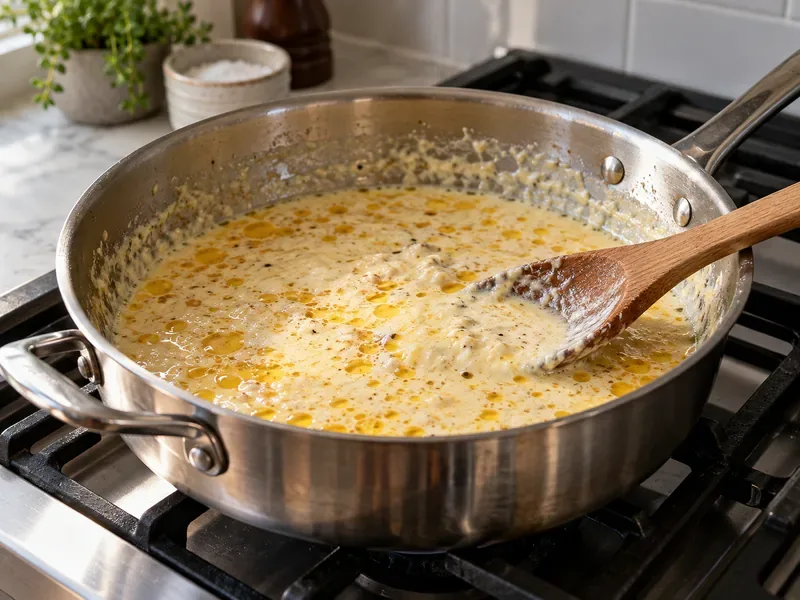
Learn why reheated sauce turns oily, watery, or grainy, which gentle fixes can bring it back together, and when food safety means you should discard it.
An October party can turn a simple snack table into a hard-to-track mix of cupcakes, candy, shared utensils, and well-meaning contributions. A useful food allergy checklist starts with one question: what does each child’s caregiver say that child can eat, and what is the plan if a reaction occurs? The answers may differ even when two children name the same allergen. Use the steps below for a U.S. children’s party; coordinate with the school or venue if it has its own rules.
Ask caregivers privately about diagnosed food allergies, foods to avoid, whether their child will bring a trusted snack, and the best way to reach them during the event. Ask them to share the child’s current emergency care plan if they expect another adult to supervise the child. Record only what the people preparing and serving food need to know; keep health details out of a public guest list.
What is known: the CDC recommends allergy management plans in schools, early care programs, and out-of-school programs. FARE’s Food Allergy & Anaphylaxis Emergency Care Plan records allergens, symptoms, and treatment directions. What depends on the child: safe foods, medication, and who may administer it. Action: settle those details with the caregiver before sending a final menu, rather than asking a child to judge unfamiliar food at the party.
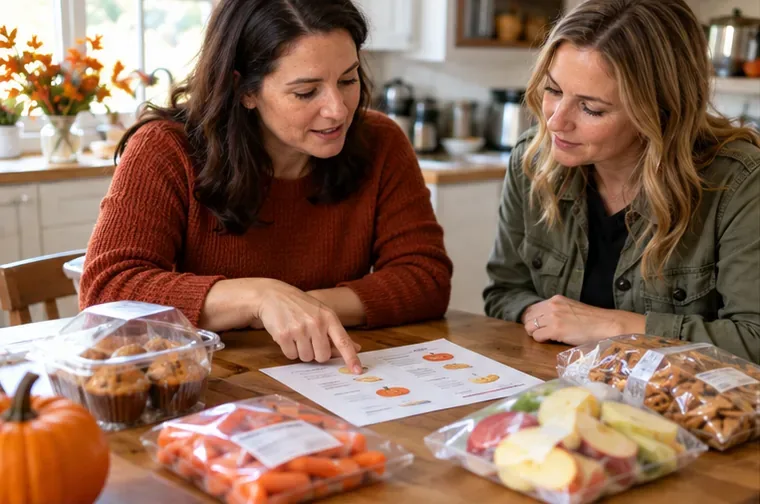
Keep the number of foods manageable. Share the exact products, recipes, toppings, and drinks with affected families; “cupcakes” or “fruit platter” is too vague. If a family prefers to bring a food their child already trusts, make space for that choice without isolating the child from the activity. For a school party, confirm its food and medication policies with staff in advance.
The FDA identifies nine major allergens for U.S. packaged-food labeling: milk, egg, fish, crustacean shellfish, tree nuts, peanuts, wheat, soy, and sesame. That list is a labeling category, not a complete list of foods to which someone can be allergic. Action: check against the actual child’s allergens, including any outside the nine, instead of relying on a generic “top nine free” promise. See the FDA’s food allergy overview.
Read the ingredient list and any “Contains” statement on the exact package being served. The FDA says recipes can change and “may contain” advisories are voluntary; the absence of such a statement is not a guarantee against cross-contact. Unpackaged bakery goods and homemade contributions add uncertainty because their ingredients and preparation may be harder to trace. Action: keep original packaging available and, when a product or preparation cannot be verified, offer the child a caregiver-approved alternative rather than guessing. The FDA’s label-reading guidance explains the distinction.
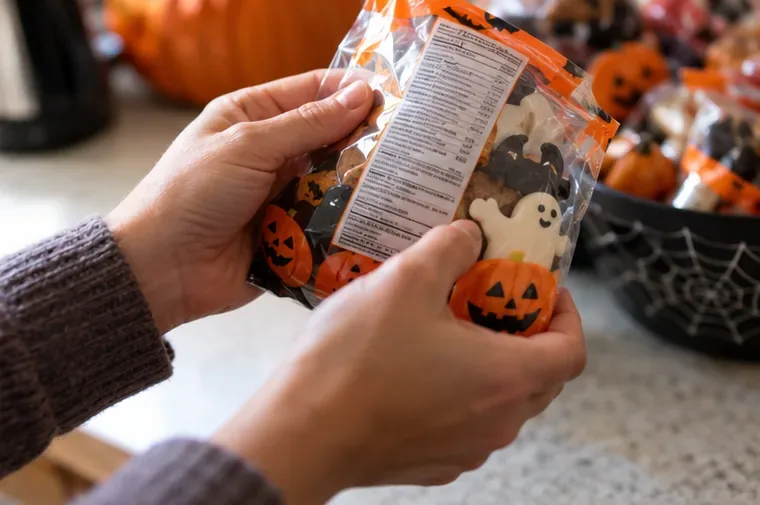
A familiar brand does not prove that its fun-size candy has the same ingredients as its full-size version. FARE notes that miniature versions can differ and some lack an individual label. A mixed candy bowl also makes it harder to keep an original wrapper with an item. Action: inspect each exact size and wrapper before the party; leave unidentifiable loose candy out of the shared food plan. Let caregivers decide what their child may keep or eat from a take-home bag.
Nonfood favors can give children another way to participate. FARE’s Teal Pumpkin Project promotes nonfood treats alongside candy. Stickers, pencils, or a small activity can be easier to coordinate than another mystery snack; choose age-appropriate items and follow venue rules. A nonfood option supports inclusion, but it does not verify the rest of the buffet.
Cross-contact happens when allergen residue moves from one food or surface to another. Keeping an allergen out of a recipe is insufficient if the same knife, counter, tray, or serving spoon carried it. FARE advises washing hands, surfaces, and utensils with soap and water and using separate, cleaned equipment for food prepared for someone with an allergy. Hand sanitizer is not a substitute for washing away food allergen residue. Action: clean first, prepare the caregiver-approved food with dedicated clean tools, cover it, and designate an adult to serve it before communal utensils migrate between dishes. Review FARE’s cross-contact guidance.
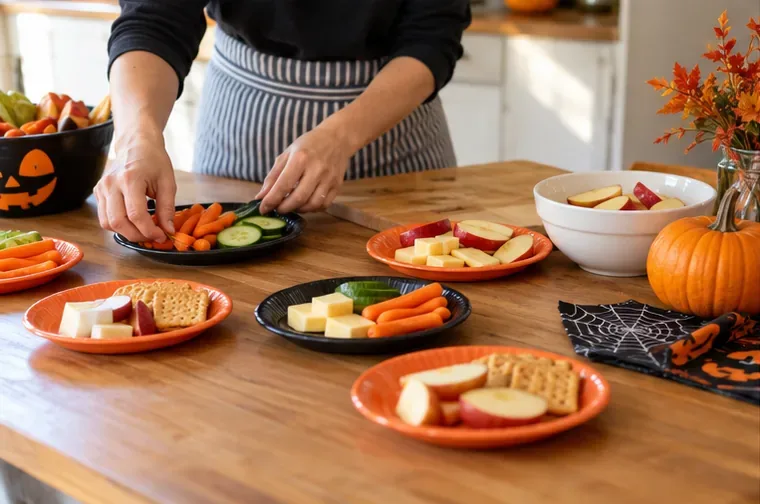
Separate plates do not by themselves make the foods safe. For example, a plate of apple slices beside crackers and cheese may still be unsuitable for a child allergic to wheat or milk, depending on the ingredients and handling. Action: label or privately map each verified option to the child it is intended for, keep its packaging or recipe available, and have an adult help younger guests take the right serving. Do not use “allergy-free” as a blanket description of a mixed table.
Identify the adult who has the child’s plan, knows where prescribed epinephrine is, and has been instructed to use it. Confirm the caregiver’s contact information, the event address, and how to call 911 in the United States. If the caregiver stays, still agree explicitly who will act first. Do not assume the host’s first-aid kit contains the child’s prescribed medicine or that a school plan automatically covers an off-site party.
What is known: for a severe allergic reaction, FARE directs caregivers to give epinephrine as prescribed, call 911, and obtain emergency evaluation even if symptoms improve. Antihistamines are not a substitute for epinephrine in anaphylaxis. What depends on the child: the symptoms and exact steps in their clinician-approved plan. Action: follow that plan immediately when indicated; do not wait to see whether the child “looks worse.” See FARE’s response guidance. Outside the United States, use the local emergency number.
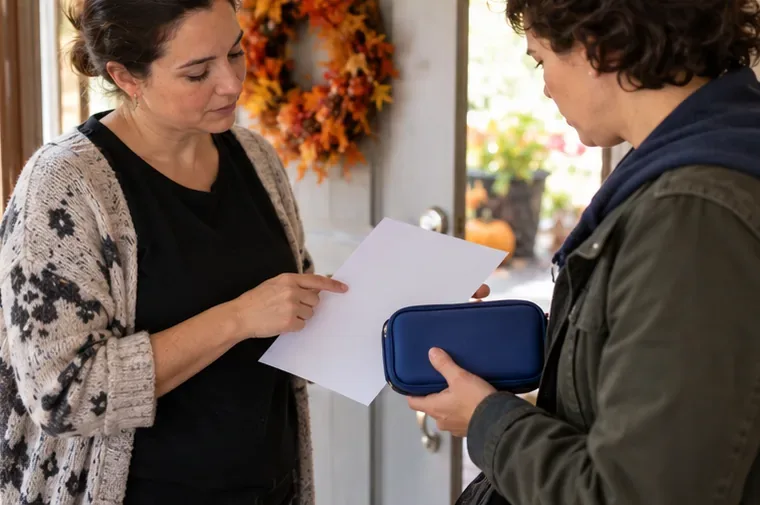
If any answer is unknown when the doorbell rings, simplify: set aside the uncertain item, use the agreed alternative, and ask the caregiver. A party can still feel festive when the food decisions are clear and the child can join the games, costumes, and October fun.
Learn why reheated sauce turns oily, watery, or grainy, which gentle fixes can bring it back together, and when food safety means you should discard it.
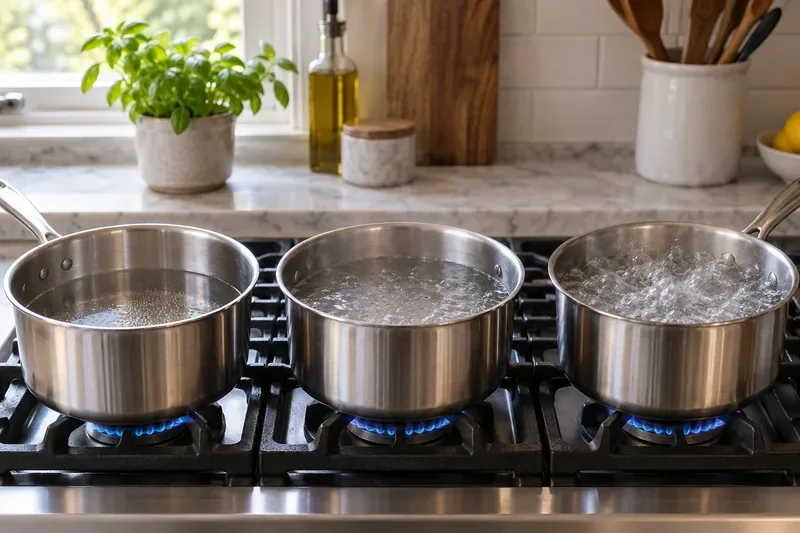
Learn how poaching, simmering, and boiling differ by bubbling, heat, texture, and best use—plus when to check food temperature for safety.
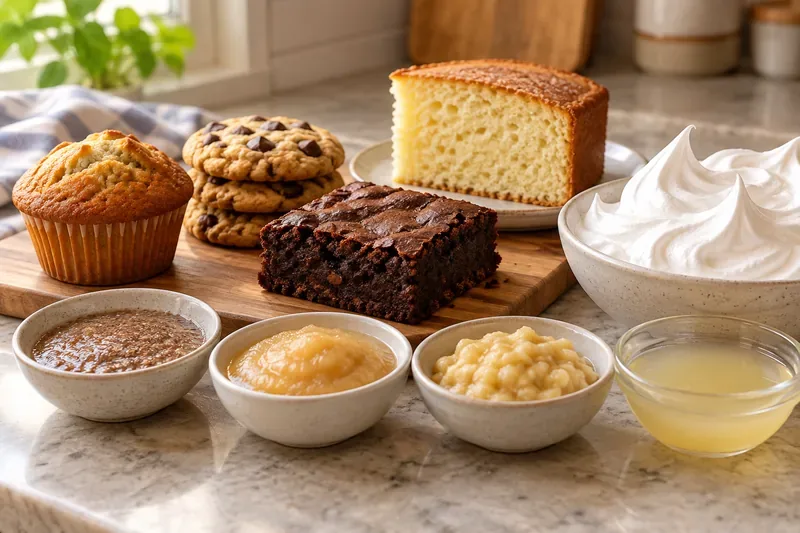
Find egg substitutes for muffins, cookies, brownies, cakes, meringues, and more. Compare flax, fruit purée, yogurt, tofu, aquafaba, and baking replacers.
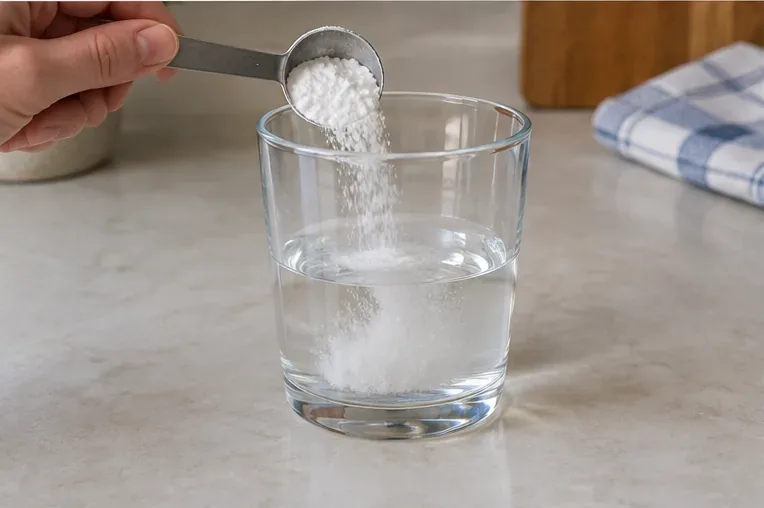
Test baking powder in minutes with warm water, learn what vigorous bubbling means, why powder loses strength, and when replacing it is the better choice.
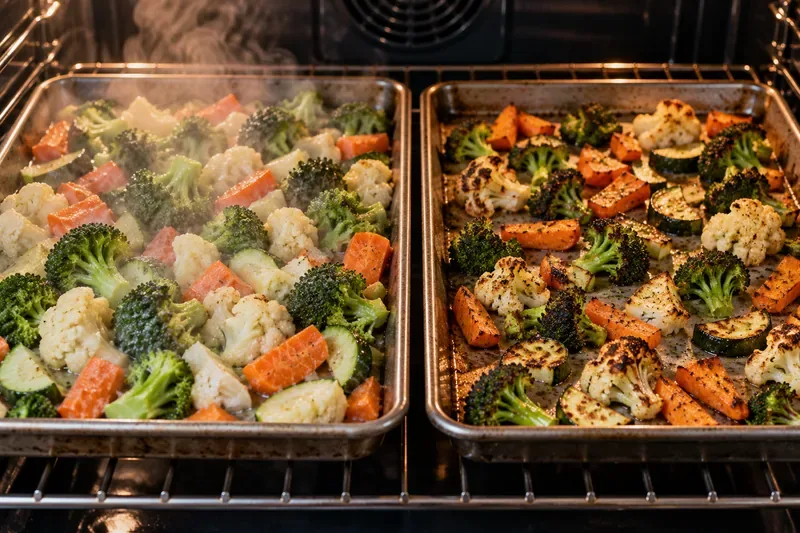
Learn why roasted vegetables turn soft and steamy instead of deeply browned, how to correct moisture, crowding, heat, and airflow, and how to judge the result.
Plan autumn school lunches with a hypothetical family example, flexible prep choices, storage timing, and safe ways to keep perishable food cold.
Plan an October kids’ party with a practical food allergy checklist for caregiver communication, labels, Halloween candy, cross-contact, and emergency readiness.