Home
» Babies
»
Fewer Wet Diapers? What Parents Should Track and When to Call the Doctor
Fewer Wet Diapers? What Parents Should Track and When to Call the Doctor
When a baby has fewer wet diapers than usual, track the full 24-hour pattern and the baby’s feeding and behavior—not just a single diaper. Write down the baby’s age, each wet diaper and the time of the last urine, how feeds are going, and any vomiting, diarrhea, fever, or signs of dehydration. Call the baby’s clinician promptly for a clear drop in urine output, and seek urgent advice if there has been no urine for more than eight hours or the baby is unusually sleepy, hard to wake, or too weak to feed.
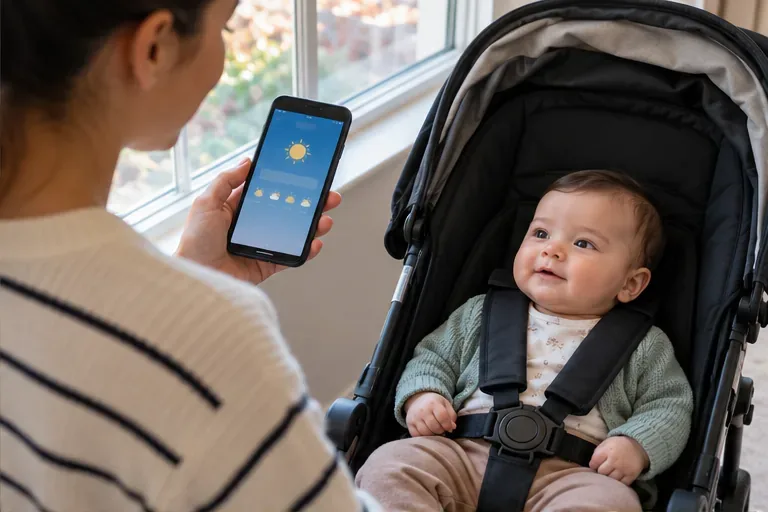
A parent notes feeding and diaper details beside a safely clothed baby.
Wet diapers are one useful clue about whether an infant is taking in enough fluid, but they do not diagnose dehydration or explain its cause by themselves. Age, feeding, recent illness, weight checks, and how the baby looks all matter. If you are worried, contact your pediatrician or local health professional rather than waiting to complete a log.
What to record in a 24-hour diaper log
Time and number: Record each diaper with urine and the time it was changed. Note the time of the last clearly wet diaper and the total over a rolling 24 hours. A diaper with both stool and urine still counts as wet.
How wet it seemed: Note whether it was lightly damp or clearly wet. Highly absorbent disposable diapers can make a small amount hard to feel; write down uncertainty instead of guessing. With cloth diapers, record the same way each time.
Urine appearance: Note whether urine looks pale or unusually dark or concentrated. Color alone cannot establish hydration, but a change alongside fewer diapers is useful context.
Feeds: For nursing, note the number of feeds and whether the baby latches, sucks, and swallows as usual. You do not need to estimate breast-milk volume. For pumped milk or formula, note how much was offered and roughly how much the baby took. Follow the existing feeding plan unless a clinician advises a change.
Other fluid losses or illness: Record spit-up that is more than usual, repeated vomiting, diarrhea, fever, or unusually warm conditions. These can change how much fluid a baby needs or loses.
How the baby is acting: Note alertness, whether the baby wakes for feeds, mouth moisture, tears when crying, and whether the soft spot appears unusually sunken. Add any weight information from a recent clinic visit.
Use age-specific expectations, especially in the first week
Urine output normally rises during the first days after birth as feeding becomes established. The CDC’s newborn breastfeeding page gives these minimum wet-diaper counts by day of life:
Baby’s age
CDC minimum wet diapers
Day 1
1
Day 2
2
Day 3
5
Day 4
6
Days 5–7
6 each day
These are reference points for newborn feeding, not a guarantee that every baby is getting enough or a substitute for a clinician’s advice. The American Academy of Pediatrics says that by 5–7 days old, a breastfed newborn should generally have six or more wet diapers per day with nearly colorless or pale-yellow urine. If your newborn’s count is below the age-specific expectation, or feeding is difficult, contact the baby’s doctor or maternity/feeding team promptly.
After the first week, fewer than six wet diapers in a day is a commonly used warning sign of possible dehydration in infants. A baby’s own pattern and medical history still matter, so discuss a sustained change with the pediatrician even if the count is near that mark. Older infants may have different feeding routines, and the number should be interpreted with the child’s overall intake and health.
Track whether the baby is showing other signs of dehydration
Call the pediatrician promptly if fewer wet diapers occur with a dry or parched mouth, fewer tears than usual, a sunken soft spot, reduced activity, or unusual fussiness. Drowsiness, difficulty waking, a baby who cannot or will not feed, or no urine for more than eight hours are reasons to seek urgent medical advice. Do not wait for a particular diaper total if the baby looks unwell.
Get emergency care for severe symptoms such as difficulty breathing, blue or gray coloring, cold or mottled skin, confusion or unresponsiveness, or being very difficult to wake. A fever in a baby younger than 3 months also needs immediate medical advice: the AAP advises calling right away for a rectal temperature of 100.4°F (38°C) or higher.
What can make diaper counts misleading?
Counting can be difficult when diapers are very absorbent, changes happen at irregular times, or a caregiver forgets to note a wet diaper. A diaper may contain both urine and stool, and a busy day can make the total appear lower than it is. That is why the time since the last urine and the pattern across a full 24 hours are helpful.
In the first days after birth, the expected number is different from the number after feeding is established. A single low-count period is not enough to determine the cause. Reduced intake, vomiting, diarrhea, fever, and other illnesses are among the details a clinician may consider; the diaper record helps provide context without proving any one explanation.
What to do while you arrange advice
Keep offering breast milk or the baby’s usual correctly prepared formula. If feeding has become difficult or the baby is too sleepy to feed, call for medical advice now.
Do not dilute formula, change the formula-to-water ratio, or give plain water or an oral rehydration product unless the baby’s clinician specifically advises it. Guidance depends on the baby’s age and situation.
Bring or read the log to the clinician: baby’s age, diaper times and count, last urination, feeding details, weight information, symptoms, and any temperature readings.
If the baby worsens while you are monitoring, seek care sooner. Do not wait until the end of the 24-hour log to ask for help.
A short, accurate record can help a clinician decide whether the next step is feeding support, a weight check, an examination, or another assessment. The log is useful because it shows changes over time—not because any one number can diagnose the baby.