Home
» Parenting
»
How to Respond When Your Child Says “Nobody Likes Me”
How to Respond When Your Child Says “Nobody Likes Me”
When a child says “Nobody likes me,” a useful first response is to slow down and show that you want to understand. Try: “That sounds really lonely. What happened today?” You do not have to prove the statement wrong or solve the friendship problem in the first minute. The goal is for your child to feel heard, learn what the words mean in this moment, and decide together whether a next step would help.
The sentence can follow one painful recess, an ongoing pattern of exclusion, a change in friendships, or a broader period of low mood. It does not, by itself, tell you which explanation fits. Respond to the feeling first, then look for patterns and changes in your child’s daily life.
What should a parent say in the moment?
Keep your voice calm, give your child your attention, and reflect the feeling without agreeing that nobody likes them. You might say, “It sounds like you felt left out,” or “I’m glad you told me. I’m here.” Then leave space for an answer. A child may need a few minutes, a snack, or a quiet activity before talking more.
Quick reassurance such as “That’s not true—everyone likes you” is understandable, but it can accidentally close the conversation. Your child may hear it as a correction instead of comfort. Avoid teasing, comparing them with siblings, or telling them to ignore it before you know what happened. The American Academy of Pediatrics’ HealthyChildren.org recommends listening without judgment and accepting a child’s feelings; its guidance on negative self-talk also favors realistic support over sweeping promises.
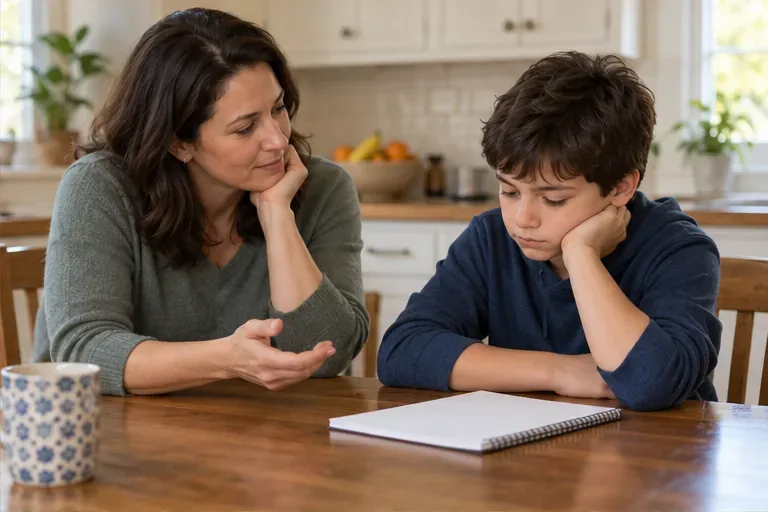
A mother listens at the child’s level in a quiet living room, creating space for the child to explain what felt lonely.
How can you learn what “nobody likes me” means?
Ask one gentle, open question at a time. “Can you tell me what happened?” is often more useful than a rapid series of questions about every classmate. If your child is ready, ask who was there, where it happened, whether it has happened before, and what they would like you to do. For a younger child who cannot explain much, offer simple choices: “Was it at lunch, recess, or somewhere else?”
You can also ask whether your child wants you to listen, help think through options, or contact someone. This gives them a little control at a time when they may feel powerless. If they do not want to talk right away, say you will check in later and follow through. Do not promise secrecy if a safety concern comes up; explain that you may need another caring adult to help keep them safe.
For a child who uses few words, communicates differently, or is still learning to identify feelings, watch for behavior as well as answers. Changes around school, sleep, appetite, play, or willingness to see friends may add context. Ask in a way your child can answer—talking side by side during a walk or drawing together may feel easier than face-to-face questioning.
A parent asks a calm, open question and gives the child time to think before responding.
Is this a single disappointment, social exclusion, or bullying?
One falling-out or an invitation that did not happen can feel enormous to a child, even if the friendship usually feels secure. Listen for the specific event and see whether your child recovers with support or whether the distress keeps returning. Children can have real friendship pain without being bullied, and a single sentence is not enough to label what is happening.
Look for repetition, a power imbalance, threats, humiliation, deliberate exclusion, or harassment in person or online. These details matter when you decide whether to involve school staff. Note dates, places, what your child reports, and any changes in school attendance or mood. Do not encourage retaliation or confront another child in front of students. The U.S. government’s StopBullying.gov conversation guidance recommends staying calm, hearing the child’s experience, asking what would help them feel safer, and discussing whether to contact the school.
Take changes seriously without assuming a cause. Headaches or stomachaches, sleep disruption, avoiding school, lost belongings, a sudden loss of friends, or withdrawal from social activities can have many explanations. The AAP notes these may be signs worth discussing in a nonjudgmental conversation, not proof of bullying.
What kind of help can you offer without taking over?
After listening, help your child choose one small next step. That could be figuring out what to say to a classmate, asking a teacher for help joining an activity, or spending time with a relative or friend who feels safe. If the child wants to meet more peers, offer an activity they genuinely enjoy—a club, sport, art group, or low-pressure playdate. The aim is not to force a new friendship or count invitations; it is to create comfortable chances for connection and belonging.
Practice a short script if your child finds it useful: “Can I join?” or “I didn’t like that. Please stop.” Rehearsal should feel supportive, not like the child is responsible for fixing other people’s behavior. If there is bullying or a safety issue, adults need to address the environment too. StopBullying.gov encourages families to keep communication open and help children connect with trusted adults and activities they enjoy.
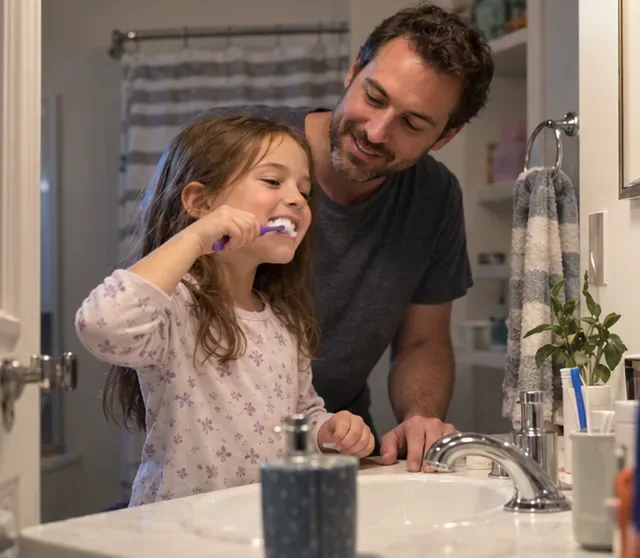
A parent, child, and school counselor talk together about what support could make the school day feel safer.
When should you contact the teacher, pediatrician, or counselor?
Contact your child’s teacher or school counselor when exclusion or harassment seems repeated, happens during the school day, or is affecting attendance, concentration, or a sense of safety. Share concrete observations rather than a conclusion: “My child says they are being left out of lunch groups several times this week. What have staff noticed, and how can we check in?” Ask who will follow up and when. If the school response does not resolve a pattern, request another meeting and include the appropriate school leader.
Consider contacting your child’s pediatrician or a licensed child mental health professional if negative self-talk continues, worsens, or comes with withdrawal, loss of interest, persistent sadness or irritability, sleep or appetite changes, physical complaints, or difficulty functioning at home or school. NIMH advises seeking professional help when behavioral or emotional symptoms persist for weeks or months and interfere with daily life. A professional can help assess the situation; parents do not need to diagnose it themselves.
Use the result—not just the number of new friends—to decide whether your approach is helping. Over time, a useful sign is that your child feels safer telling you what is happening, can name a feeling or a specific problem, or is willing to try a next step. They may still feel sad. If the distress keeps growing, school avoidance increases, or the same conflict repeats, adjust the plan and bring in more support rather than pressing harder for a quick fix.
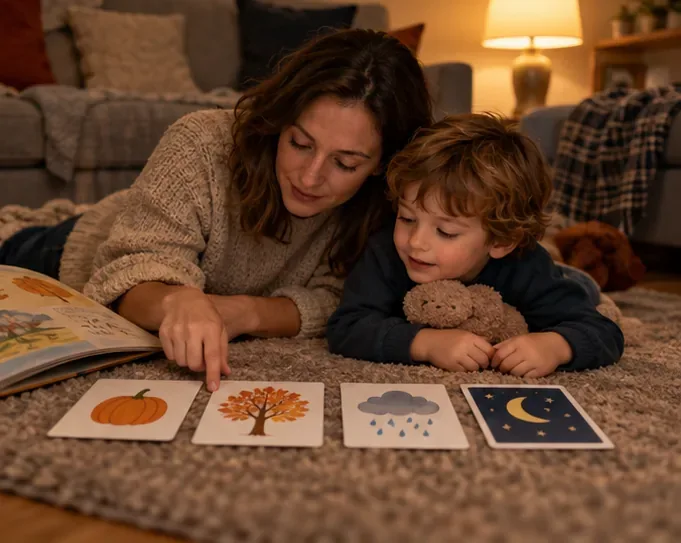
A parent checks in during a relaxed walk, making room for a follow-up conversation without pressure.
What if your child talks about self-harm or suicide?
“Nobody likes me” alone does not mean a child is suicidal. But take direct statements about wanting to die, self-harm, hopelessness, feeling like a burden, or having no reason to live seriously—especially if they are new or paired with major behavior changes. Ask calmly and directly, “Are you thinking about hurting yourself or killing yourself?” NIMH says asking about suicide does not create suicidal thoughts and can help identify risk.
If your child says yes, do not leave them alone if there may be immediate danger. Stay with them, involve another trusted adult, and get urgent help. In the United States and its territories, call or text 988 for crisis support; call 911 for an immediate life-threatening emergency. Outside the U.S., contact your local emergency number or crisis service. Do not promise to keep a safety concern secret.
A brief check-in to use later
“I’ve been thinking about what you told me. How has it felt since then?”
“Did anything change at school or online?”
“Would you like me to listen, help you practice what to say, or talk with an adult at school?”
“Is there anything that would help you feel safer tomorrow?”
A child who feels disliked needs more than a pep talk, but parents do not need a perfect line. Calm attention, curiosity, realistic reassurance, and a willingness to get help when the pattern persists give the child a dependable starting point. These steps cannot guarantee that peers will respond kindly; they can help your child know they do not have to face the problem alone.