A small change in your skin, hair, nails, or general comfort can be unsettling, especially after trying a new product. Many mild concerns can be watched briefly at home when they are limited, stable, and not affecting breathing, vision, movement, or usual activities. Self-care is reasonable only while the situation stays mild and you can recognize clear signs that it is improving or that you need help.
This is general information, not a diagnosis. The same visible symptom can have different causes, and appearance alone cannot reliably rule out infection, allergy, or another condition. The guidance below was checked on October 1, 2026, against U.S. public-health and clinical sources. Use your local emergency number and care pathways if you are outside the United States.
When is a short period of self-care reasonable?
Home care may be a sensible first step when the concern is mild, localized, and not getting worse; you otherwise feel well; and there are no warning signs. For example, a small area of dryness or mild irritation after a new cleanser may justify stopping that product and using gentle, familiar care while you watch for change. This example does not identify the cause of anyone’s symptoms.
Before deciding, ask yourself:
- Is the problem limited to one small area or a mild symptom rather than rapidly spreading or severe?
- Can I breathe and swallow normally, see normally, stay alert, and carry out ordinary activities?
- Is there a plausible recent trigger, such as a new cosmetic, without a severe reaction?
- Can I monitor the change and get help quickly if it worsens?
If the answers support a mild, stable concern and no red flags are present, keep care simple. Stop a newly introduced product that may be irritating the area. Use only familiar, gentle products according to their labels, and avoid adding several new treatments at once. For a mild everyday illness, rest, fluids, and advice from a pharmacist or clinician may be appropriate, depending on the symptom and your health history. Do not use someone else’s prescription, leftover antibiotics, or a stronger skin treatment just to see whether it works.
The FDA advises consumers who experience an unexpected cosmetic reaction to stop using the product and contact a health care provider. Its guidance also recommends reporting product-related problems. See the FDA advice on using cosmetics safely and its instructions for reporting a cosmetic product complaint.
What signs suggest the approach is working?
Judge self-care by observable changes, not by whether a product promises a quick result. Useful signs include less discomfort, no new affected areas, no worsening redness or swelling, and a return toward your usual routine. For a beauty concern, improvement may mean that irritation settles after the suspected product is stopped, not that the skin immediately looks perfect.
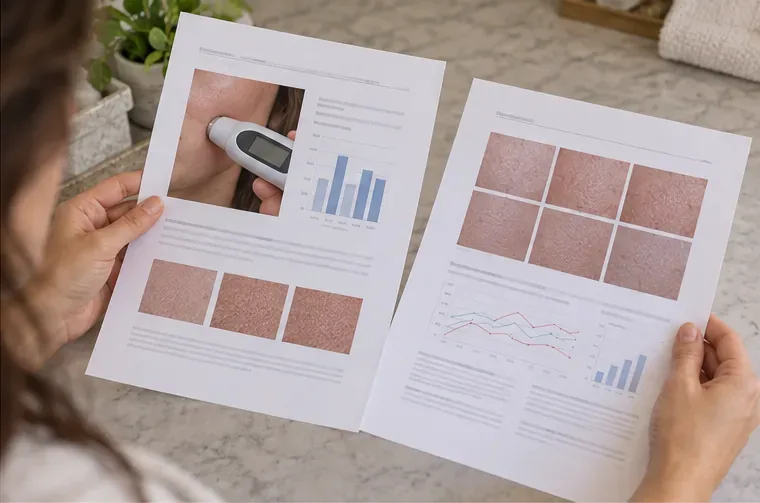
Write down when the problem began, where it appears, what changed beforehand, and what you have tried. For a visible concern, a dated photo in consistent lighting may help you describe whether it is spreading or changing; do not delay care to take pictures. Keep product names or ingredient labels if you suspect a cosmetic reaction. These details can help a clinician assess the situation, but they cannot confirm a diagnosis at home.
There is no single safe waiting period for every symptom. Follow the label and condition-specific medical advice. Reconsider self-care sooner if the concern is worsening, spreading, returning, interfering with sleep or daily tasks, or not improving within the expected time for that specific problem. A pharmacist or health professional can help determine whether you need an appointment or a different level of care.
Which skin or beauty changes need medical attention?
Most rashes are not life-threatening, but the American Academy of Dermatology (AAD) recommends medical attention for a rash over most of the body, one that spreads rapidly, is painful, blisters or becomes open sores, occurs with fever or illness, or involves the eyes, lips, mouth, or genital skin. Pus, yellow or golden crust, warmth, swelling, worsening pain, or an unpleasant smell can be signs of infection. Read the AAD’s guidance on when an adult rash needs medical treatment.
Seek emergency help immediately for trouble breathing or swallowing, or swelling of the eyes or lips after a possible reaction. Do not wait to see whether a cosmetic reaction settles if breathing is affected or swelling is progressing. Stop the product, but treat emergency symptoms as a medical emergency rather than as a product complaint.
Other sudden or substantial changes also deserve prompt evaluation. Examples include new vision loss or severe eye pain, a deep or large wound, a burn that appears serious, unexplained severe pain, or a rapidly worsening condition. A changing mole or persistent skin lesion should be assessed by a qualified clinician, particularly if it is changing in size, shape, or color, bleeds, or does not heal; a photo or online comparison cannot determine whether it is harmless.
When should you call 911?
Call 911 in the United States, or your local emergency number elsewhere, for signs of a life-threatening emergency. MedlinePlus lists warning signs such as difficulty breathing, chest pain or pressure, bleeding that will not stop, loss of consciousness, sudden confusion or inability to speak, sudden severe weakness or vision change, severe allergic reaction, choking, or severe sudden pain. It also advises immediate help after swallowing a poisonous substance. See MedlinePlus: Recognizing medical emergencies.
If someone may be having a stroke, heart attack, severe allergic reaction, or another life-threatening event, do not drive them yourself if emergency services are available and transport could be unsafe. Follow the dispatcher’s instructions. For a mental health crisis involving immediate risk of self-harm or harm to someone else, contact emergency services or a crisis service available in your area.
When is it time to change course?
Stop relying on self-care and contact a health professional when the problem is getting worse instead of better, repeatedly returns, affects an important function, or has warning features. A new rash with fever, spreading warmth, increasing pain, or drainage should not be managed by repeatedly switching creams. A product reaction that continues after the product is stopped, or any reaction that is more than mild, also merits professional advice.
Use a lower threshold for asking for individualized advice if the person is very young, medically fragile, has a significant long-term condition, takes medicines that affect immunity or bleeding, or is pregnant. The right urgency depends on the person and symptom; a clinician who knows the medical history can help set that threshold. In the U.S., if you are unsure where to go and there are no emergency symptoms, contact your clinician, a pharmacist, or a local nurse advice service. These services and their availability vary.
A practical check before continuing
- Keep self-care simple: stop a suspected new irritant and avoid adding multiple products or treatments.
- Check the trend: note whether symptoms are easing, stable, spreading, or becoming more painful.
- Use the right level of help: emergency signs call for 911; concerning but non-life-threatening changes call for prompt professional advice.
- Reassess the plan: if you are not improving within the expected period for the specific issue, or the problem returns, seek guidance instead of escalating treatment on your own.
Self-care can reduce discomfort and help you monitor a mild concern, but it cannot tell you what caused it or guarantee that a problem is harmless. The best result is a concern that is clearly improving without new warning signs—or a timely change to professional care when it is not.