Home
» Khỏe đẹp
»
Can Stress, Dehydration, or Poor Sleep Make Symptoms Feel Worse?
Can Stress, Dehydration, or Poor Sleep Make Symptoms Feel Worse?
Yes. Stress, too little sleep, and not taking in enough fluid can make common symptoms feel harder to manage. They may contribute to fatigue, headache, dizziness, irritability, or trouble concentrating; stress can also worsen itch or flare-ups in some existing skin conditions. But noticing one of these triggers does not prove it is the cause. A new, severe, persistent, or worsening symptom still deserves attention on its own.
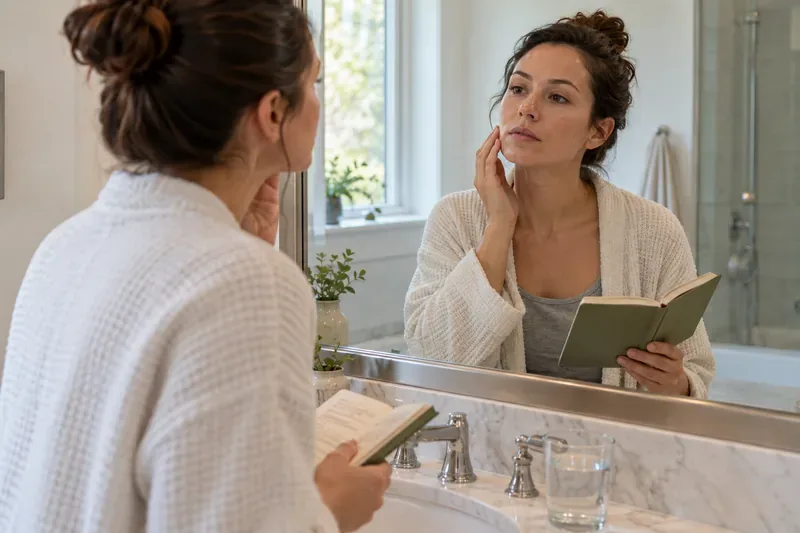
A person checks how they feel and makes a note while a glass of water sits nearby.
The useful question is not simply “Could stress or poor sleep do this?” It is “Does the timing fit, are there signs of a more serious problem, and does a sensible change help without delaying care?” The comparisons below can help you choose a next step.
What can each trigger plausibly explain?
Possible contributor
Clues that fit
Practical first choice
Limit of that choice
Stress
Symptoms rise during pressure or worry; you may also notice sweating, a faster heartbeat, muscle tension, or feeling on edge.
Reduce the immediate demand where possible, take a brief quiet break, and use a calming activity that feels manageable.
Stress can coexist with a medical problem. It does not explain away new or severe symptoms.
Low fluid intake or fluid loss
Thirst, dry mouth, darker urine, urinating less, tiredness, headache, or light-headedness—especially after heat, exercise, vomiting, or diarrhea.
Drink fluids regularly; if nauseated, start with small sips. Ask a pharmacist or clinician whether oral rehydration solution is suitable when fluid loss is substantial.
Fluid needs vary. People with a prescribed fluid restriction or certain heart or kidney conditions should follow their clinician’s advice.
Poor or short sleep
Sleepiness, low energy, irritability, reduced attention, or feeling unrefreshed after a disrupted night.
Protect a regular sleep and wake time and make the sleep setting quiet, relaxing, and cool.
One good night may not resolve a persistent sleep problem or another cause of fatigue.
These patterns are clues, not diagnostic tests. The NHS overview of stress describes physical effects such as a faster heartbeat and sweating. The NHS dehydration guidance lists thirst, dark urine, reduced urination, tiredness, dry mouth, dizziness, and headache among possible signs. These symptoms overlap with many other causes.
Can these factors affect how skin, hair, or appearance feels?
Sometimes, but be precise about what is meant by “beauty concern.” Stress is not a universal cause of skin disease. The American Academy of Dermatology (AAD) says stress may make eczema itchier or prolong flares, may be a trigger for psoriasis flares in some people, and can worsen acne. It also notes that stress can contribute to hair shedding in some circumstances. Those links do not establish that stress caused a new rash, acne, or hair loss in a particular person. See the AAD review of stress-related skin and hair conditions.
Dry lips or skin can accompany fluid loss, but surface dryness also has many everyday explanations, including weather, frequent washing, or a product that irritates the skin. “Dehydrated skin” in a beauty context is not the same as proving that the whole body is medically dehydrated. Moisturizer may help the skin barrier feel more comfortable; it cannot treat significant fluid loss. Likewise, a cosmetic product cannot establish why a symptom started. If the change is persistent, painful, spreading, associated with other symptoms, or causing hair loss, a clinician or dermatologist can assess it.
Which approach is the best fit for your situation?
If symptoms are mild and a recent trigger is plausible
A short, low-risk reset is reasonable while you keep watch: drink to thirst and replace extra fluid lost through heat, exercise, vomiting, or diarrhea; aim for your usual age-appropriate sleep; and take a break from a stressor if you can. For adults ages 18–60, the CDC lists seven or more hours as the recommended daily amount. Sleep recommendations differ by age. Its sleep guidance also suggests a consistent bedtime and wake time, a quiet and relaxing room, and turning off electronic devices at least 30 minutes before bed.
The trade-off is that self-care is convenient and low cost, but it is only a reasonable trial for mild symptoms without warning signs. Do not force a large amount of water, take supplements, stop prescribed medicine, or apply several new skin products just to “test” a theory. If you have a fluid restriction, are pregnant, take medicines that affect fluid balance, or have a chronic condition, ask your care team what is safe for you.
If you want to test whether a trigger matters
Write down the symptom, when it began, how it changes, sleep, fluid intake, recent heat or exercise, stress, medicines, and any skin or personal-care products used. Change one practical factor at a time when possible. For example, if you slept poorly and had a long hot workout, note both rather than crediting improvement to water alone. A simple log can reveal timing and give a clinician useful context, but it cannot confirm a diagnosis. Do not wait through worsening symptoms to complete a tracking period.
For recurring poor sleep, a sleep diary can record bedtime, night waking, morning waking, naps, exercise, caffeine or alcohol, and medicines. The CDC recommends talking with a health professional about regular sleep problems or symptoms of a sleep disorder. If stress is interfering with daily life or self-help is not working, arrange support rather than treating the problem only as a skin or beauty issue.
If an appearance concern is the main issue
Choose gentle, familiar skin care and avoid adding multiple active ingredients while skin is irritated. If you already have a clinician’s treatment plan for eczema, acne, or another diagnosed condition, follow that plan; stress management can complement treatment, not replace it. The AAD emphasizes that skin and hair conditions may still need medical treatment even when stress plays a role.
When should you stop self-care and get help?
Seek prompt medical advice if you are urinating much less than usual, have persistent dizziness when standing, cannot keep fluids down, or are getting worse despite drinking. These can signal more than a routine “off day,” especially after vomiting, diarrhea, heat exposure, or heavy sweating. The NHS lists fast breathing or a fast heart rate alongside dehydration symptoms as reasons for urgent assessment.
Get emergency help for sudden confusion, fainting, difficulty waking, severe trouble breathing, or signs of shock such as cold skin with marked paleness or blotchiness. Sudden confusion needs immediate medical assessment because it has many possible causes; do not assume it is only tiredness or stress. Use your local emergency service if these occur.
Arrange a non-emergency appointment when symptoms persist, keep returning, interfere with daily life, or do not improve as the suspected trigger settles. Also seek assessment for a new or changing skin or hair problem rather than relying on a wellness explanation. Common triggers can turn up the volume on how you feel, but they do not reliably identify the underlying cause.
A practical decision rule
Mild, familiar, and improving: try one sensible adjustment and record whether the symptom changes.
Persistent, recurrent, or unexplained: book clinical advice and bring your symptom notes, medication list, and relevant product or exposure details.
Severe, sudden, or accompanied by emergency signs: seek urgent or emergency care now.
This approach avoids two common mistakes: blaming every symptom on stress or “dehydrated skin,” and treating every tired morning as an emergency. Use the pattern to guide a next step, not to rule out illness. Guidance checked September 30, 2026.