What to Put in a Nutrition Symptom Diary—and When to Seek Advice

Learn what to record in a nutrition symptom diary, how long to track, what patterns can and cannot show, and which warning signs need prompt care.
A nutrition symptom diary can help you explain what you ate, when symptoms started, and what else was happening that day. It is a conversation aid, not a test that can diagnose a food allergy, intolerance, or digestive condition. The practical goal is to collect enough clear information for a clinician or registered dietitian to decide what matters next—without delaying care or unnecessarily restricting your diet.
There is no single tracking period that fits every symptom or person. If symptoms are mild and you are otherwise well, start a brief record now and ask the clinician who will review it how long to continue. If symptoms are severe, worsening, or include warning signs below, seek care instead of waiting to complete a diary.
Record details that help someone compare timing and context. A notebook, notes app, or simple table is enough. The National Institute of Diabetes and Digestive and Kidney Diseases (NIDDK) describes food and beverage diaries as a way to note what a person consumes and, in a sample diary, includes the time and feelings around eating. For symptom tracking, add the symptom and when it occurred.

Use one line per meal, snack, drink, or symptom episode. Capture the date and approximate time. For food, write the main ingredients, brand or product when relevant, and a rough portion (for example, one cup, a small bowl, or half a sandwich). Include sauces, cooking oils, supplements, and drinks if they may matter. Exact calorie counts and weighing food are usually unnecessary unless a health professional specifically asks for them.
Then describe the symptom in plain language: where it occurs, what it feels like, when it begins, how long it lasts, and whether it disrupts sleep, work, school, or usual activities. A simple severity scale such as mild, moderate, or severe can make entries easier to compare; define it once and use it consistently. If bowel changes are part of the concern, note frequency and broad changes in consistency or appearance. You do not need graphic detail.
Useful action: choose the simplest format you will actually use. A few accurate notes made soon after an episode are more helpful than a perfect record reconstructed days later.
Write down the time between eating and the symptom rather than labeling a food as the cause. Note what you were doing and any context that could plausibly affect symptoms: a recent illness, a new medicine or supplement, travel, unusually high stress, poor sleep, exercise, or (when relevant) menstrual timing. These factors are clues to discuss, not proof of a cause. Record medications as taken; do not stop prescribed treatment to see what happens.
Some reactions have characteristic timing, but timing alone does not establish a diagnosis. MedlinePlus says food allergy symptoms often begin within minutes to two hours and can involve skin, digestion, or breathing. NIDDK notes that lactose-related digestive symptoms may arise within a few hours and can vary with the amount consumed. Those ranges can guide what to write down; they cannot tell you on their own whether a particular food is responsible.
Useful action: write “symptoms began about 45 minutes later” rather than “this food caused it.” Include symptoms even when they occur without a suspected food; those entries can help show what does not consistently line up.

When it is safe to do so, note your ordinary eating pattern before making a change. Changing several foods at once makes the record harder to interpret: symptoms may improve or worsen for reasons unrelated to any one ingredient. Everyday symptoms also fluctuate, and foods may be eaten alongside different portions, routines, stress levels, or illnesses.
This addresses a common misconception: noticing symptoms after a meal does not prove that meal caused them. A diary can reveal a repeated association, but it cannot separate every competing explanation. Even improvement after avoiding a food is not, by itself, confirmation of allergy or intolerance. Food allergy assessment uses the history and appropriate medical evaluation; an oral food challenge, when needed, is performed under professional supervision.
A second misconception is that everyone should immediately remove a suspected food. Broad or prolonged elimination can make meals harder to balance. NIDDK advises discussing lactose-related diet changes with a doctor or dietitian to protect nutrient intake; avoiding all milk products can lower calcium and vitamin D intake. Also, do not start a gluten-free diet before evaluation for celiac disease: NIDDK says it can affect diagnostic test results.
Useful action: do not deliberately re-eat a food that has caused a serious reaction, and do not start a major elimination diet or a home “challenge” without medical advice. Ask a clinician or registered dietitian whether a focused, time-limited change is appropriate and how to maintain adequate nutrition.

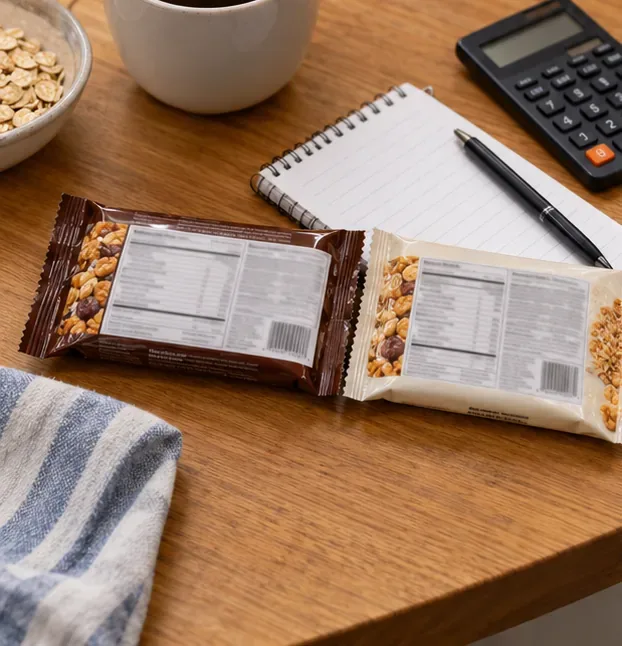
Before an appointment, mark a few entries that show the clearest timing, the most disruptive episode, and any symptoms that happened without the suspected food. Bring the product packaging or a photo of its ingredient list if a packaged item may be relevant. Summarize what changed and what stayed the same. The clinician may ask about medical and family history, eating habits, medicines, or tests; NIDDK notes that several digestive conditions can cause similar symptoms.
Useful action: bring whatever you have, even if the log is incomplete. Do not postpone an appointment until you have tracked for a target number of days.
Start now if symptoms are mild and stable, but there is no universal “correct” number of days for a nutrition symptom diary. The clinical resources linked here describe recording diet and symptoms as part of evaluation, but do not set one tracking duration for every complaint. The appropriate length depends on the symptom, its frequency, your health history, and what a clinician is trying to understand.
If episodes are recurring, affecting daily life, leading you to avoid foods, or not settling, contact a health professional and ask whether more entries would help. If symptoms are new and persistent, or you have a condition, pregnancy, a history of serious allergy, or a child is affected, get personalized advice sooner. You can keep notes while arranging care, but tracking is not a reason to wait.
Call 911 for signs of a severe allergic reaction, such as trouble breathing, throat or tongue swelling, fainting, or rapidly worsening symptoms after eating. If the person has prescribed epinephrine, follow their emergency plan and use it as directed; do not pause to make a diary entry. MedlinePlus identifies anaphylaxis as a medical emergency and advises calling 911.
Seek prompt medical advice for blood in stool or black, tarry stool, severe abdominal or rectal pain, frequent vomiting, signs of dehydration, or a marked change in alertness or energy. NIDDK advises contacting a doctor right away for these symptoms with diarrhea; its guidance also names prolonged diarrhea, high fever, and frequent loose stools as reasons for adults to contact a doctor. The right urgency depends on the person and symptoms, so use emergency services for severe or rapidly worsening illness.
Useful action: get help first, then write down the timeline later if it is safe. A record is useful only when it supports care rather than delaying it.
| What it can help show | What still needs clinical judgment |
|---|---|
| What and roughly how much you ate, timing, symptom pattern, and day-to-day context | Whether a food caused the symptom, whether an allergy or another condition is present, and which tests or treatment are appropriate |
| Whether an association appears more than once—or symptoms occur without the suspected food | Whether the pattern is meaningful, because timing, other exposures, and ordinary symptom variation can overlap |
Keep the diary factual and brief: what happened, when, how long it lasted, and what else may be relevant. Avoid turning each entry into a verdict about a food. Share concerns early, protect nutritional variety, and let a qualified professional help decide whether tracking, testing, or a guided diet change is the right next step.
Guidance checked September 30, 2026. The duration recommendation above is a practical synthesis of the cited resources, not a published universal tracking interval.
Learn what to record in a nutrition symptom diary, how long to track, what patterns can and cannot show, and which warning signs need prompt care.
Learn why nutrition concerns can affect people differently, what can change test results, how to prepare for an appointment, and when symptoms need prompt care.
Learn how to compare protein, fiber, and added sugar on U.S. food labels, check serving sizes, and avoid being misled by front-of-package claims.
Learn when a brief appetite or hydration concern may be managed at home, what gentle steps to try, and which nutrition warning signs need prompt medical care.
See how meal routines, food restrictions, medicines, alcohol, and hydration can affect nutrition—and which detox and supplement claims have weak evidence.